

How To Clean A 100x Oil Immersion Lens Without Damaging Optics
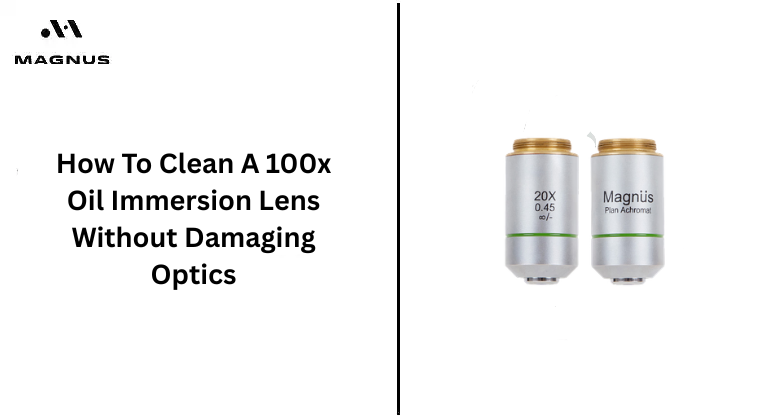
High power microscopy depends on the quality of the objective lens, especially a 100x oil immersion lens used for detailed viewing. Even a thin layer of residue11 can reduce clarity and affect accuracy in lab results. Proper care is important because the optical surface is very sensitive to scratches, chemicals, and wrong cleaning methods. Knowing how to clean oil immersion lens in a clear way helps keep image quality clear and extends the life of the instruments.
A regular cleaning routine ensures stable performance during repeated use in research and lab work where accuracy is needed. Careful cleaning also helps prevent buildup that can interfere with long-term microscope performance in advanced laboratory environments where consistent accuracy is required every time.
Importance of Immediate Lens Care After Use
Cleaning the lens right after use stops immersion oil from drying and forming a hard layer on the surface. Fresh oil is easier to remove and does not need strong cleaning methods that may damage coatings. If cleaning is delayed, contamination builds up, and image clarity reduces during future use.
In lab work. Quick action after each session helps keep optical performance steady. Users who clean oil immersion lens immediately avoid heavy buildup that can block light transmission. This habit also lowers maintenance effort and supports consistent imaging results during repeated observation with better accuracy. Proper timing reduces the risk of stubborn residue and helps maintain clear imaging results for longer periods of repeated laboratory use without affecting optical quality levels.
Correct Materials for Safe Cleaning
Using the right cleaning tools is very important for protecting delicate optical surfaces. Special lens paper is made to remove oil without scratching, making it the safest choice for regular care. Normal tissue or cotton materials should not be used, as they may leave fibres or cause tiny scratches.
Optical cleaning solvents help dissolve immersion oil gently without harming coatings. These solutions are made for safe use on sensitive optical parts. Proper tool selection ensures effective cleaning and keeps optical quality stable during repeated maintenance. Using correct materials also reduces the risk of surface damage and supports consistent results in professional microscopy applications over multiple cleaning cycles.
| Cleaning Item | Use |
|---|---|
| Lens Paper | Removes oil safely |
| Optical solvent | Breaks oil residue |
| Air blower | Removes dust |
| Storage Cap | Protects lens |
Step-By-Step Method To Clean An Oil-Immersion Lens
A proper method helps clean high-power lenses safely and effectively.
- First, remove extra oil gently using dry lens paper without pressing. This reduces surface load before using any liquid cleaner.
- Then apply a small amount of optical solvent on fresh lens paper, not directly on the lens. Wipe in a slow spiral from the centre to the outside. This removes oil without spreading it.
- Use a new paper for each wipe to avoid reapplying residue.
- Controlled movement protects the coating and keeps clarity high. This method gives stable results in a lab environment where accuracy is important.
These methods also help beginners maintain proper technique and ensure consistent optical performance during repeated high magnification observations in controlled laboratory conditions without lens damage.
Common Mistakes That Damage Optical Surfaces
Wrong cleaning methods can reduce lens performance and lifespan.
- Too much pressure during wiping may scratch the coating and reduce light quality.
- Direct liquid use on the lens can let fluid enter the internal parts and cause damage.
- Reusing dirty lens paper spreads oil instead of removing it.
- Strong chemicals like acetone should be avoided as they harm coatings.
Avoiding these mistakes helps maintain clear imaging. Careful cleaning steps keep the lens in good condition during repeated use. These mistakes often lead to costly repairs and reduced microscope efficiency in professional environments over long-term usage periods, which are frequently observed.
How Microscope Maintenance Supports Lens Performance
Regular laboratory microscope maintenance is important for keeping optical accuracy and long life. Routine checks help find early dirt before it affects image quality. Good handling reduces stress on sensitive parts and keeps performance steady.
Maintenance also improves work speed by reducing sudden equipment issues. Proper lens care supports stable images at different magnifications.
Protective storage reduces dust and environmental effects. Cleaning habits combined with maintenance keep the optical system reliable in lab conditions for long periods. Good maintenance practices support better safety standards and reduce unexpected breakdowns in laboratory workflows during continuous daily operations significantly.
Why Ignoring Oil Residue Creates Long-Term Problems
Leaving oil on the lens for a long time causes it to harden due to oxidation. Hardened oil is harder to clean and may need strong chemicals that can damage the surface. It also reduces light clarity and image sharpness.
Hard buildup can disturb alignment and create uneven brightness. Over time, this reduces the reliability of microscopic work and increases maintenance needs. Cleaning on time prevents these problems and keeps the lens working properly. This issue becomes more serious when lenses are used frequently without proper cleaning routines in place over extended periods of usage.
Proper Handling Techniques For Lens Protection
Safe handling is needed to protect sensitive optical parts. Gentle wiping reduces friction and keeps the coating safe. Controlled use of cleaning liquid prevents chemical stress on the lens.
These habits keep optical performance stable and reduce wear during regular lab use with high magnification. These practices also improve confidence in handling precision instruments and ensure better long-term reliability of optics in laboratory settings consistently.
When To Clean A 100x Objective Lens
100x objective cleaning should be performed immediately after using the lens to maintain clear imaging and protect the optics. This stops oil from drying and makes cleaning easier and safer. Delayed cleaning causes hard residue and lowers clarity.
Regular checks after each use help control lens condition. Early cleaning prevents performance issues. A proper schedule improves reliability in lab environments.
Timely care helps maintain sharp and accurate results during repeated use. Following this routine also helps maintain consistent image quality across different observation sessions in laboratory environments without performance loss issues.
To Sum Up
Good optical clarity depends on careful cleaning habits. Proper steps to clean oil immersion lens protect coating and keep the image quality stable. Immediate care, the right tools, and safe handling support better performance in labs.
Strong maintenance habits reduce wear and improve reliability during repeated use. Magnus Opto offers optical solutions made for precision and durability. Their support helps users maintain high-quality systems with proper care, including careful lens cleaning that ensures long-lasting clarity and dependable microscopic results. Contact them for all types of microscopic needs.